
How the Halal Certification Process Fits into Export Plans for Malaysian Food and Manufacturing Brands
Drive through the industrial zones of Shah Alam or the vibrant business hubs of Johor Bahru, and you’ll notice a common thread: businesses are no longer asking if they should get certified, but how fast they can get it done. In today’s market, the Halal Certification Process has evolved from a religious niche into a sophisticated quality management system that mirrors international ISO standards.
For many Malaysian business owners, especially those in the SME sector, the journey is often filled with “eye-opening” moments. It is a process that touches every corner of the company, from the HR department’s hiring policies to the chemical composition of the floor cleaners used after hours.
Halal Certification Process · The Evolution of the “Halal Mindset” in Production

Talk to any veteran in halal manufacturing malaysia, and they will tell you that the biggest hurdle isn’t the audit itself—it’s the internal culture shift. The halal certification requirements demand a level of traceability that many traditional businesses aren’t used to.
For instance, a bakery in Penang might source its butter locally, but under the jakim halal process, that butter’s history must be tracked back to the original dairy farm’s enzymes. If a single link in that chain lacks proper halal documentation malaysia, the entire finished product is compromised. This “chain of custody” is what often surprises newcomers who expect a simple kitchen inspection.
Navigating the Administrative Tightrope
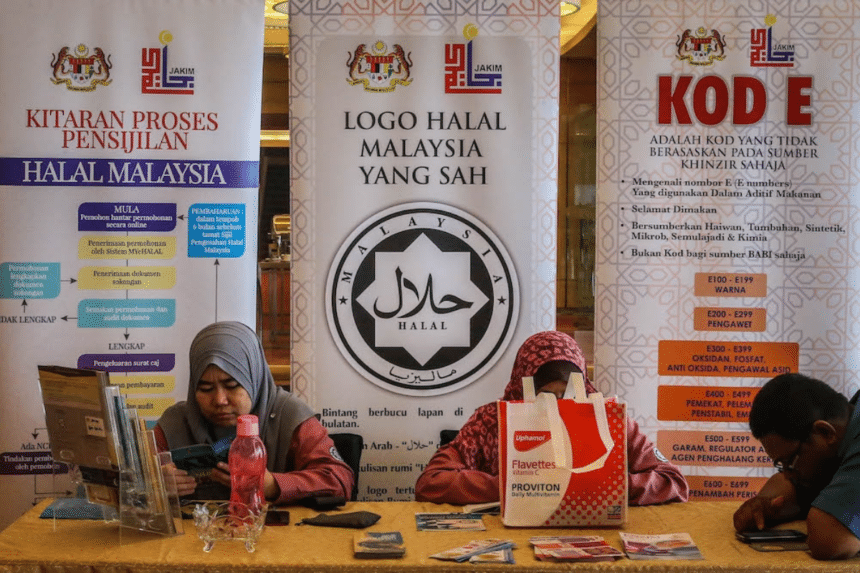
The halal certificate application is famously rigorous. In Malaysia, the digital gateway, MYeHALAL, has streamlined the submission, but the burden of proof remains high. A common “stumbling block” for a halal sme malaysia is the creation of the Internal Halal Committee.
This isn’t just a committee on paper. It requires active participation and recorded meetings to ensure halal compliance malaysia. In such scenarios, professional bodies like Standard Focus typically play a more neutral, administrative, or supportive role, acting as a bridge to ensure the internal filing systems meet the high bars set by the authorities before the actual inspectors arrive.
More Than Just a Cleanliness Check

When the date for the halal audit process is finally set, the atmosphere in the office usually turns tense. However, auditors aren’t there to find faults; they are there to verify the “Halal Assurance System” (HAS).
Real-world experiences from the ground suggest that auditors look at the most unexpected things:
- The Loading Bay: Is there any chance that a non-halal delivery truck is sharing the same space?
- Employee Breakrooms: Are the staff aware of the policies regarding bringing outside food into the production zone?
- Waste Management: How is the factory disposing of rejected materials to ensure they don’t leak back into the Halal supply chain?
These details are the core of halal standards malaysia. It’s about creating a “bubble” where the integrity of the product is never in doubt, from the moment a raw material enters the gate until the final box is sealed with the halal logo malaysia.
Halal Certification Process · Calculating the True Investment
Many entrepreneurs fixate on the direct halal certification cost malaysia, which is actually quite structured and fair. However, the true investment is in the “Corrective Action” phase.
If an auditor finds that your warehouse ventilation or your drainage system doesn’t meet the halal certification guide specs, the cost of renovation can be significant. Furthermore, the halal certification timeline is an investment of time. A typical cycle from submission to halal business approval can take months of back-and-forth. For a business in a fast-moving industry, this “waiting period” requires careful inventory and marketing planning.
Looking Toward the Horizon: Export and Renewal
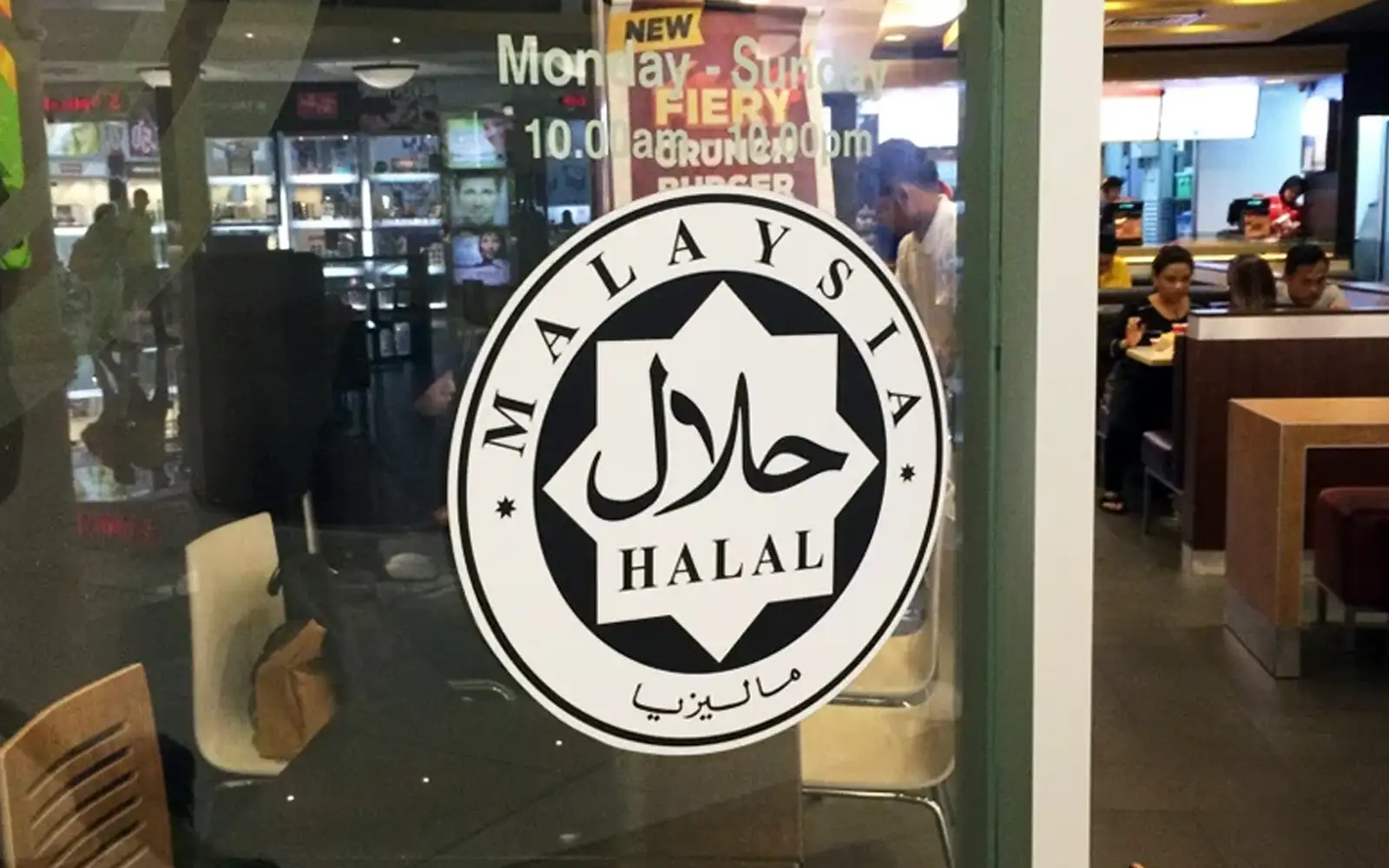
The goal for many is the halal export certification. With Malaysia’s reputation as a global leader in this space, a certificate from JAKIM is essentially a passport. It allows a small sauce maker from Melaka to sit on the shelves of a high-end supermarket in Dubai or London.
But the work doesn’t stop once the certificate is on the wall. The halal renewal process happens every two years, and the standards only get tighter. It forces a business to stay disciplined. You can’t just “pass the test” and forget about it; you have to live the standards every single day of operation.
Ultimately, this process isn’t a barrier—it’s a filter. It separates the hobbyists from the professional brands that are ready to compete on a global scale.
Halal Malaysia Official Portal (JAKIM): https://www.halal.gov.my
Halal Development Corporation (HDC) Training & Advisory: https://www.hdcglobal.com
Standards Malaysia – Halal Food (MS 1500): https://www.jsm.gov.my
💬 Frequently Asked Questions (FAQ)
Are you curious about the specific hurdles businesses face?