
ESG trends 2026 startups are Redefining Survival for the Next Generation of Founders
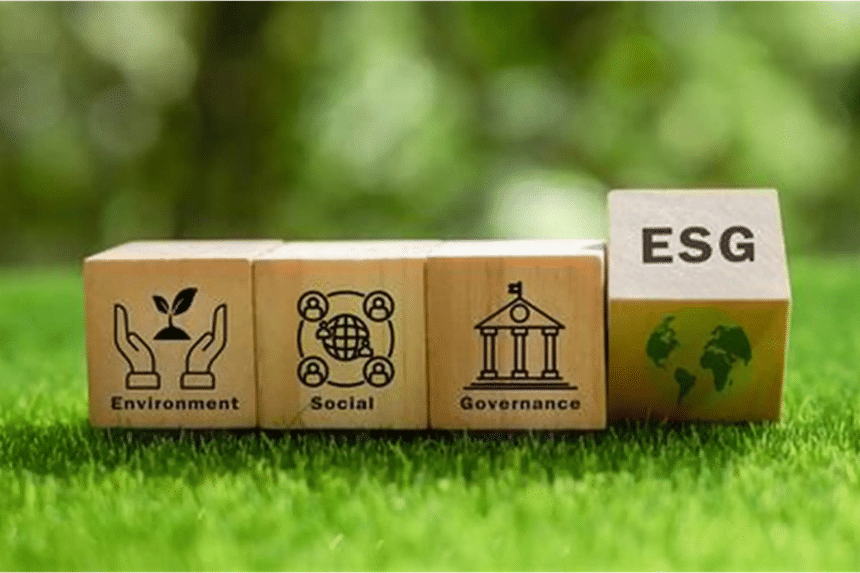
If you’ve been walking around Mid Valley or hanging out at co-working spaces lately, you’ve probably heard the term “ESG” thrown around more than “AI” or “Crypto.” It’s everywhere. But for a lot of us running a business, the first thought is usually: “Aiyoh, another thing to worry about?” Originally, people thought ESG was just about planting trees or using paper straws. But as we head into 2026, the reality has shifted. ESG trends 2026 startups have evolved into something much more practical—it’s basically about how “clean” and “fair” your business is so that you don’t get blocked by banks or big clients later on.
Simple as it sounds, many founders don’t realize that Future ESG trends for early-stage startups are no longer about being perfect; they are about being transparent. If you can’t show where your materials come from or how you treat your staff, you might find your path to scaling getting narrower.
You know how it is in the startup world—cash is king. But have you noticed where the cash is going lately? If we look at ESG investment trends Southeast Asia 2026, the biggest VCs in Singapore and KL are starting to use “Green Filters.” They aren’t just looking at your Monthly Recurring Revenue (MRR) anymore. They are looking at your “burn” in a different way—specifically, your carbon burn and your governance.
Basically, there’s a massive ESG-driven startup growth 2026 wave happening. Investors have realized that startups with a solid ESG strategy for startups Malaysia are actually less risky. Why? Because they are less likely to get hit by new government fines or sudden “cancel culture” moments. In short, being a “good” company is now seen as being a “smart” company.
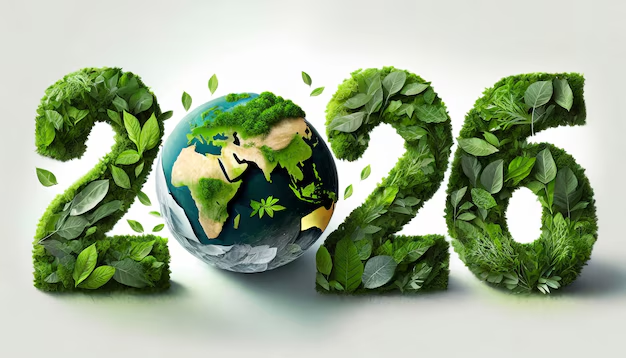
If you look at the Malaysia ESG roadmap for startups, it might look like a thick pile of homework. But if we break it down into “kopitiam talk,” it’s really just about future-proofing. Many local companies are realizing that ESG regulations impact startups 2026 faster than they expected.
For example, if you want to be a vendor for a big MNC or a public-listed company in Malaysia, they are going to ask for your ESG credentials. If you don’t have them, you’re out of the game. That’s why ESG priorities for startups in 2026 are shifting toward “Supply Chain Readiness.” It’s not about saving the world on day one; it’s about making sure you’re still eligible to do business on day one thousand.
The coolest part about ESG innovation trends 2026 is that it’s actually sparking a lot of creative tech. We’re seeing Malaysian startups using IoT to cut electricity bills (that’s the “E”) and using better data systems to ensure gender pay gaps don’t exist (that’s the “S” and “G”).
This is what Startup sustainability trends Malaysia looks like in the real world. It’s not a textbook exercise. It’s about using technology to solve the “messy” parts of running a business. When you integrate these habits early, you aren’t just “complying”—you are building a leaner, more modern machine that can compete with the best in the ESG trends ASEAN startups ecosystem.
At the end of the day, ESG isn’t a destination you reach; it’s a way of operating. For the Malaysian founder in 2026, ignoring these trends is like trying to drive a car without insurance—you might save a bit of money now, but one accident will cost you everything. The goal isn’t to be a saint; it’s to be a sustainable, resilient business that people actually want to work for and invest in.
Bursa Malaysia – Sustainability Reporting Guide: https://www.bursamalaysia.com/reference/sustainability/sustainability_reporting_guide
MITI – National Industry Strategic Framework for ESG (i-ESG): https://www.miti.gov.my/index.php/pages/view/80
Securities Commission Malaysia – SRI Roadmap for the Malaysian Capital Market: https://www.sc.com.my/development/sustainable-financing/sri-roadmap